
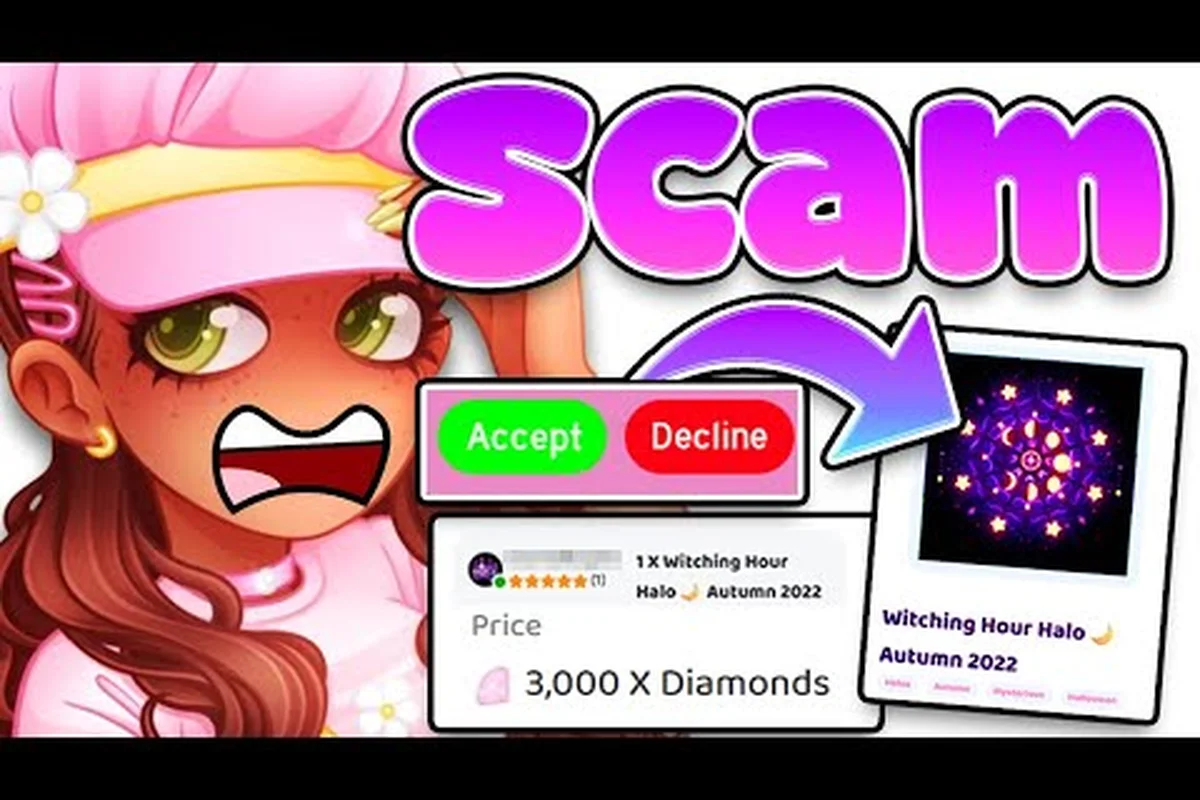
Trading in Royale High becomes available once your account reaches level 75, but unlocking the Trading Hub is only the first step. The real challenge is determining whether an offer is fair, which is why a reliable Royale High value checker matters more than ever. Scammers exploit players who do not verify item worth, and a single bad trade can erase months of progress. This guide breaks down how value checking works, what trust trading actually means, and which tactics will get your account banned.
According to the Royale High Value Checker video guide, the tool uses a tier-based rarity system to calculate item worth, with values updated to reflect current trading trends.
What a Royale High Value Checker Tracks
A Royale High value checker is not an official in-game tool but rather a community-driven reference system that tracks the estimated diamond worth of halos, sets, wings, and rare accessories. Because the game does not display item values inside the Trading Hub, players rely on external charts, spreadsheets, and Discord servers to compare offers before accepting. These checkers aggregate data from completed trades, community polls, and seasonal demand shifts, which means values fluctuate frequently.
Reading Community Value Chart Ranges
Community value charts assign each tradeable item a diamond value range rather than a fixed price. For example, a mid-tier halo might be listed at 800,000 to 1,200,000 diamonds depending on demand, while a rare toy item could spike after its code expires. The ranges exist because Royale High trading operates on perceived scarcity, not a centralized economy.
The following table shows how different item categories typically behave in value checkers: halos sit at the volatile end because their rarity tier can shift after a single Eveningfall update or seasonal event, while legacy accessories and older wings remain relatively stable since their supply is effectively frozen. A royale high value checker must therefore weigh two competing signals—recent trade logs from the trading hub and long-term rarity data from retired item pools—before producing a range. For example, a halo that averaged 900,000 diamonds in January might jump to 1.3 million within days if a new rework removes its older variant from circulation, whereas a legacy accessory like the 2019 New Year items barely moves because no new supply can enter the economy.
| Item Category | Value Stability | Primary Demand Driver | Checker Update Frequency |
|---|---|---|---|
| Halos | Low to moderate | Seasonal events, rarity tier | Weekly or after major updates |
| Full sets | Moderate | New releases, reworks | Bi-weekly |
| Wings | Moderate to high | Aesthetic appeal, limited runs | Monthly |
| Toy items | Low | Code availability, retailer stock | Irregular |
| Legacy accessories | High | Nostalgia, fixed supply | Rarely changes |
Because halos and toy items shift the most, experienced traders check values immediately before every major trade—often right in the trading hub while the other player waits. A value that was accurate last month may be completely outdated after a new Eveningfall update introduces fresh limited items, and the gap is even wider for toy items tied to physical code cards: once a retailer like Walmart or Target runs out of stock, the code-based accessory can jump from 50,000 diamonds to 300,000+ diamonds within a single weekend. This is why a royale high value checker that only scrapes weekly averages will misprice a trade during the first 48 hours after an update, when trade logs are thin and panic-selling in the hub creates artificially low ranges that rebound sharply once supply dries up.
Why Official Values Do Not Exist
Royale High developer callmehbob has never published an official price list for tradeable items. The absence of official values means every checker is inherently community-sourced, which introduces both flexibility and risk. Players must cross-reference at least two independent sources before accepting a high-stakes offer, because a single outdated chart can mislead an entire trading session.
Trust Trading and Why It Leads to Scams
Royale High trust trading refers to any transaction where one player gives an item or diamonds first, expecting the other player to complete their side afterward. The Trading Hub interface supports simultaneous two-way trades, which means legitimate deals never require one-sided trust. Scammers push trust trading specifically because it bypasses the secure confirmation window.
Common Trust Trading Scenarios
Scammers typically frame trust trading as a favor, a challenge, or a workaround for technical issues — and they often target players who have just checked their inventory on a royale high value checker and are visibly excited about a high-tier halo or rare accessory. By watching trade chat and server-hopping through the trading hub, scammers identify owners of items like the Hal19 (Halloween Halo 2019) or the Aut22 (Autumn Halo 2022), whose value checker estimates exceed 1 million diamonds, and then approach with a rehearsed script that exploits the owner's pride in that valuation. The psychological hook is that the scammer frames the trade as a "test" of whether you deserve the item's listed value — a tactic that works because the royale high value checker gives players a concrete number to defend, making them more willing to "prove" they're trustworthy. The most reported scenarios include:
-
The "duplicate item" trick where a scammer claims they can duplicate a halo if you trade it to them first
-
The "recording for YouTube" excuse where a scammer asks for your item temporarily to feature it in a video
-
The "cross-game trade" offer where a scammer promises Robux or another game's currency in exchange for your Royale High item
-
The "friend test" manipulation where a scammer asks you to prove trust by trading a valuable item with no return
Each of these scenarios ends the same way: the scammer leaves the server, blocks you, and keeps your item. Because Royale High does not reverse trades, recovery is nearly impossible — no amount of reporting, screenshot evidence, or support tickets will restore a Hal19 or Aut22 once it leaves your inventory. The royale high value checker makes this loss sting even harder, since the victim has often just seen a concrete estimate of what the stolen halo was worth in diamonds, and that number becomes a permanent reminder of the scam. Some victims report that the scammer even quoted the value checker's estimate back to them mid-conversation — "your halo is worth 1.2 million, so you can afford to risk it" — using the tool's own data as social proof that the trade was fair. This is why value checker communities now warn players to treat any unsolicited trust-trade request as a red flag, regardless of how accurately the scammer cites current halo tier values or diamond ranges.
The Robux Trade Red Flag
A royale high robux trade is one of the most dangerous offers you will encounter. Players who offer Robux for halos or rare sets are almost always attempting a cross-trade, which violates Roblox Terms of Service. Cross-trading involves exchanging items or currency across different games or platforms, and both parties risk permanent account termination. Even if the other player seems trustworthy, the transaction itself is illegal within Roblox's ecosystem.
The table below contrasts safe in-game trading with prohibited robux trade attempts: a Trading Hub two-way trade locks both sides into a confirmed diamond-and-item exchange with no reversal window, while a robux cross-trade carries extreme risk because the Robux transfer happens outside Royale High's trade interface — meaning a royale high value checker can verify your halo's worth, but it cannot protect you when the other player simply ghosts after receiving the item, leaving you with no in-game receipt, no moderator support, and a permanent ban flag on your account.
| Trading Method | Allowed? | Risk Level | Reversal Possible? |
|---|---|---|---|
| Trading Hub two-way trade | Yes | Low | No, but both sides confirmed |
| Trust trading (one-sided) | No | Extreme | No |
| Robux cross-trade | No | Extreme | No, plus ban risk |
| Gift exchange via official features | Yes | Low | Depends on feature |
| External website trades | No | Extreme | No |
Banned Trading Tactics You Must Avoid
Royale High banned trading encompasses several behaviors that trigger automatic or manual account penalties. Understanding what gets players banned is just as important as knowing item values, because a banned account loses access to everything, not just the Trading Hub.
Exploiting and Duplicating Items
Any attempt to duplicate items, exploit trade glitches, or manipulate the Trading Hub interface results in an immediate ban. Royale High logs all trade transactions, and suspicious patterns such as one-sided trades with no item return are flagged automatically. Players who participate in duplication schemes even unknowingly can face consequences if they receive duplicated items.
Cross-Trading and Account Selling
Cross-trading, including royale high robux trade attempts, is explicitly prohibited. Selling your Royale High account or individual items for real money or Robux also falls under banned trading. Roblox moderation teams actively monitor for these transactions, and community reports frequently lead to swift enforcement.
Scamming and Chargeback Fraud
Repeated scam reports against your account will eventually trigger a review. While Royale High cannot reverse individual trades, accounts with multiple verified scam reports face permanent bans. Chargeback fraud, where a player purchases Robux or game passes and then disputes the payment, also results in account termination.
The following table summarizes ban severity by offense type, but the underlying detection systems differ sharply: item duplication and exploit usage are caught automatically through trade log analysis and anti-cheat scanning, while cross-trading, trust trading scams, and chargeback fraud rely on player reports or payment processor notifications that require human moderation review before action is taken. This split explains why some bans are nearly instant after a flagged trade, while others take days or weeks as evidence is collected and verified against Royale High's trading level 75 and limited item value records.
| Offense Type | Typical Penalty | Appeal Possible? | Detection Method |
|---|---|---|---|
| Item duplication | Permanent ban | Rarely | Automated trade log analysis |
| Cross-trading | Permanent ban | No | Player reports, moderation review |
| Trust trading scam | Permanent ban | No | Victim reports with evidence |
| Exploit usage | Permanent ban | No | Anti-cheat detection |
| Chargeback fraud | Account termination | No | Payment processor notification |
Verifying Limited Item Worth Before Trading
Royale High trade limited item decisions require extra caution because limited items carry the highest scam risk. Limited items include seasonal halos, event-exclusive accessories, and toy code rewards that cannot be obtained again once their availability window closes. Before accepting any offer, cross-check the item's current listing on a royale high value checker against recent completed trades in trading hubs like the Trading Hub realm or Discord servers such as Traderie, since scammers frequently exploit the scarcity of halos like the Halloween Halo 2019 or the Val 2020 Halo by pairing a high-demand limited with underpaying filler items. Because Royale High's economy shifts with each seasonal update, a limited item's value can spike or drop by hundreds of thousands of diamonds within days, so relying on a single outdated value source leaves you vulnerable to manipulated trade offers.
Seasonal Scarcity and Value Spikes
Limited items follow predictable value patterns. During an active event, the item's value stays relatively low because many players can obtain it. After the event ends, scarcity drives the value upward over several weeks or months. For example, items from the Wickery Cliffs Halloween event typically spike in November and December as supply freezes.
The table below illustrates typical value movement for limited item categories, but the raw numbers only tell part of the story — the shape of the spike depends heavily on how the item entered circulation. Halo values, for instance, climb sharply within the first two weeks after an event closes because halos are tied to a low-percentage fountain outcome rather than a guaranteed purchase, so the supply pool is already constrained before scarcity even kicks in. Toy code items follow a more erratic curve: codes from physical toys enter the market in unpredictable waves as retailers clear stock, meaning a Royale High value checker may show a sudden dip months later when a new shipment of codes surfaces on resale sites. Seasonal sets, by contrast, rise more gradually because thousands of players bought duplicates during the event window specifically to hold as trade capital — the post-event supply is larger than it appears. Understanding these supply-side differences helps traders distinguish a genuine long-term spike from a short-lived hype bump before committing to a trust trade or accepting a limited item offer.
| Limited Item Type | Value During Event | Value 1 Month After | Value 6 Months After |
|---|---|---|---|
| Event halo | Moderate | High | Very high or stable |
| Toy code item | Low | High | Depends on code rarity |
| Seasonal set | Low | Moderate | High if never re-released |
| Legacy accessory | Already high | Stable | Stable |
Because limited item values change rapidly, checking a fresh value chart right before trading is essential — a Royale High value checker snapshot from even two weeks ago can be off by 30–50% for post-event halos, since the first wave of fountain winners listing their halos in the trading hub resets the community consensus price almost overnight. The Royale High trading guide explains how to read community demand signals that influence these shifts, including the difference between a W/F/L poll result and actual completed trade history, which is the more reliable indicator when a spike is still forming.
Cross-Referencing Multiple Sources
No single value checker is perfectly accurate, so experienced traders compare at least two or three sources before finalizing a limited item trade. Community Discord servers, value chart websites, and recent trade history all provide slightly different estimates. When sources disagree by more than 10 percent, treat the lower value as your baseline.
Reaching Level 75 and Trading Safely
The royale high trading level 75 requirement gates the entire Trading Hub behind a significant time investment. Reaching level 75 typically takes several weeks of regular play, which means scammers assume you have valuable items by the time you unlock trading. This makes new traders particularly vulnerable.
Efficient Leveling Before Trading
If you are still below level 75, focus on leveling methods that also build your item inventory. Attending classes at Campus 3 or Earth Campus, completing Fountain Story choices, and participating in seasonal events all grant experience while potentially rewarding rare items. The leveling guide breaks down the fastest XP routes to unlock trading sooner.
First Trade Safety Checklist
Your first few trades set the tone for your entire trading career, and a single careless accept can wipe out limited items you spent months farming for. Before you click that green checkmark, open your royale high value checker and compare the offer against the item's current halo tier and demand rating — many "fair" trades fall apart once you see that a mid-tier halo has dropped two tiers since the last update. Follow this checklist before accepting any offer:
-
Verify the other player's trade history if visible
-
Check current values on at least two independent sources
-
Never accept one-sided trades under any circumstances
-
Decline any offer involving Robux or external currency
-
Screenshot the trade window before confirming
-
Walk away from any deal that feels rushed or pressured
Scammers in Royale High deliberately manufacture false urgency — "accept now or I'm trading it to someone else" — because rushed decisions bypass the value-checking habits that would expose a losing trade. When a "free limited item" or "trust trade to double your halo" offer appears, pause and run both items through your royale high value checker: a 30-second lookup often reveals the offered item is worth 40,000 diamonds against your 600,000-diamond halo, a gap no legitimate trader would accept. Trust trading in particular has no in-game protection, and Royale High's banned trading policies mean you cannot recover items lost to a voluntary accept, so the only real defense is refusing to let pressure override the checklist.
Frequently Asked Questions
What is a Royale High value checker?
A Royale High value checker is a community-maintained reference that estimates diamond values for halos, sets, wings, and limited items. Since the game has no official price list, players use these charts to compare offers before trading. Values shift with seasonal demand and update frequency varies by item category.
Can I get banned for trust trading in Royale High?
Trust trading itself is not a bannable offense for the victim, but the scammer who takes items without returning them faces permanent bans after verified reports. However, participating in trust trading always risks losing your items, because Royale High does not reverse trades even when fraud is proven.
Is trading Robux for Royale High items allowed?
No, royale high robux trade attempts are cross-trading, which violates Roblox Terms of Service. Both parties risk permanent account termination regardless of who initiates the trade. Any offer involving Robux, real money, or other games' currency should be declined immediately and reported.
How do I check if a limited item is worth trading for?
Compare the limited item's current value across at least two independent community charts, then check recent completed trades for that specific item. Limited items spike after their availability window closes, so values from during an event are outdated. When sources disagree significantly, use the lower estimate as your baseline.
What happens if I accidentally trade with a scammer?
Royale High does not reverse completed trades, so recovery is unlikely even with screenshot evidence. Report the scammer through official channels to help prevent future victims, but accept that the item is gone. Focus on prevention through value checking and refusing one-sided trades going forward.